
The product
is born in the mind.
New approaches instead of standard thinking.
System solutions designed with you, for you.
When you face a complex task, you benefit from a structured approach – starting with our concept workshop.
Together we analyse your application, look at the entire process and define the functions actually required. This produces initial solution approaches that are technically sound and economically viable.
On this basis, we develop a bespoke key component tailored precisely to your requirements, drawing on our experience in additive manufacturing, design engineering and the integration of electronics and sensors.
We support you from the idea to the finished solution – as a source of ideas in the workshop, as an extension of your design office, or as a manufacturing partner for complete mechatronic assemblies. You receive all project-related CAD data and a ready-to-use unit that integrates directly into your application.
The result: well-engineered, compact and cost-effective solutions that stabilise, simplify and streamline your processes.
Key components that decisively improve your processes.
- Automation components
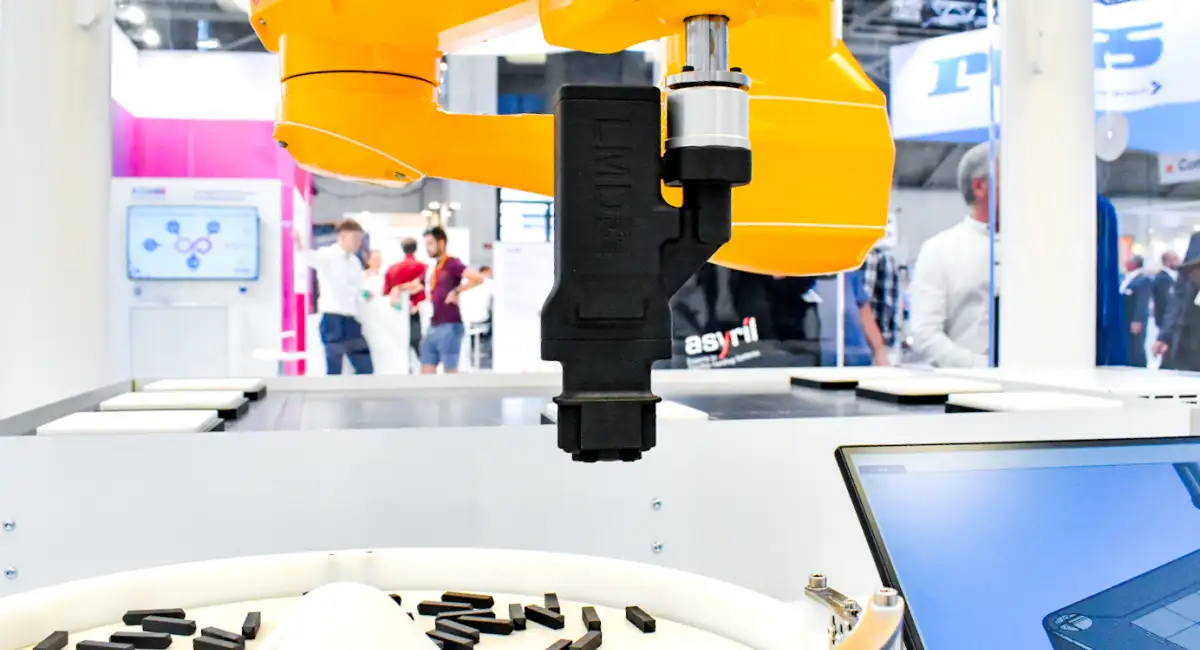
- Modular mechatronic gripping technology for collaborative systems
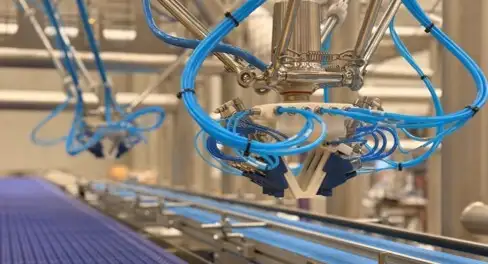
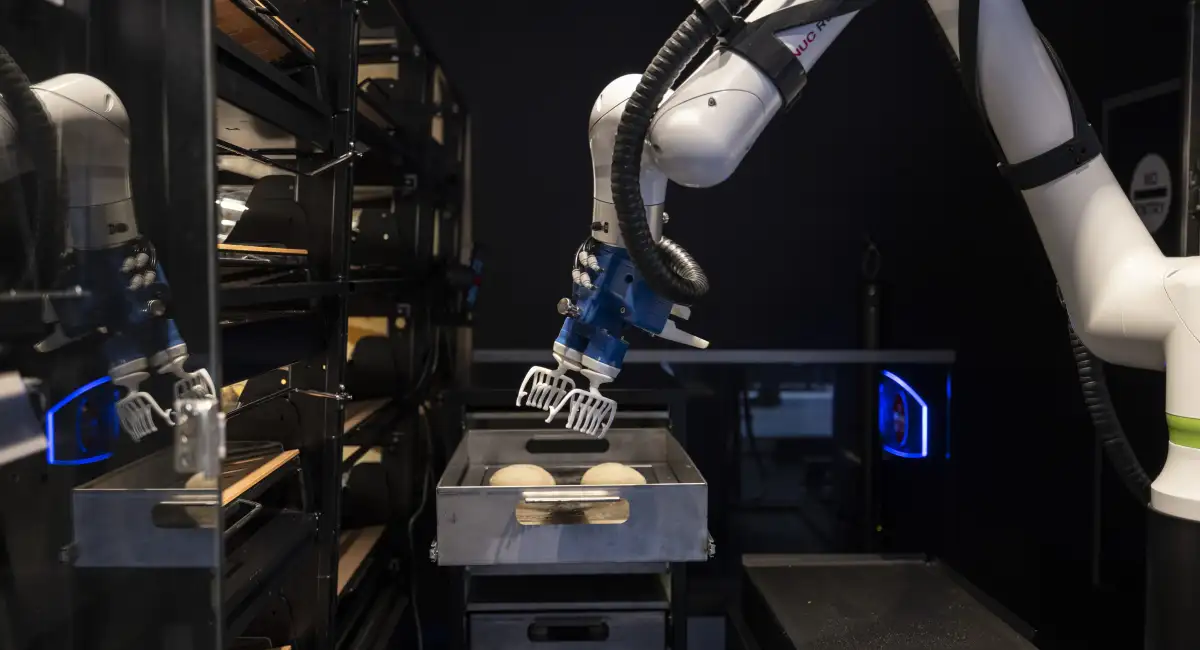
- Grippers for the food industry
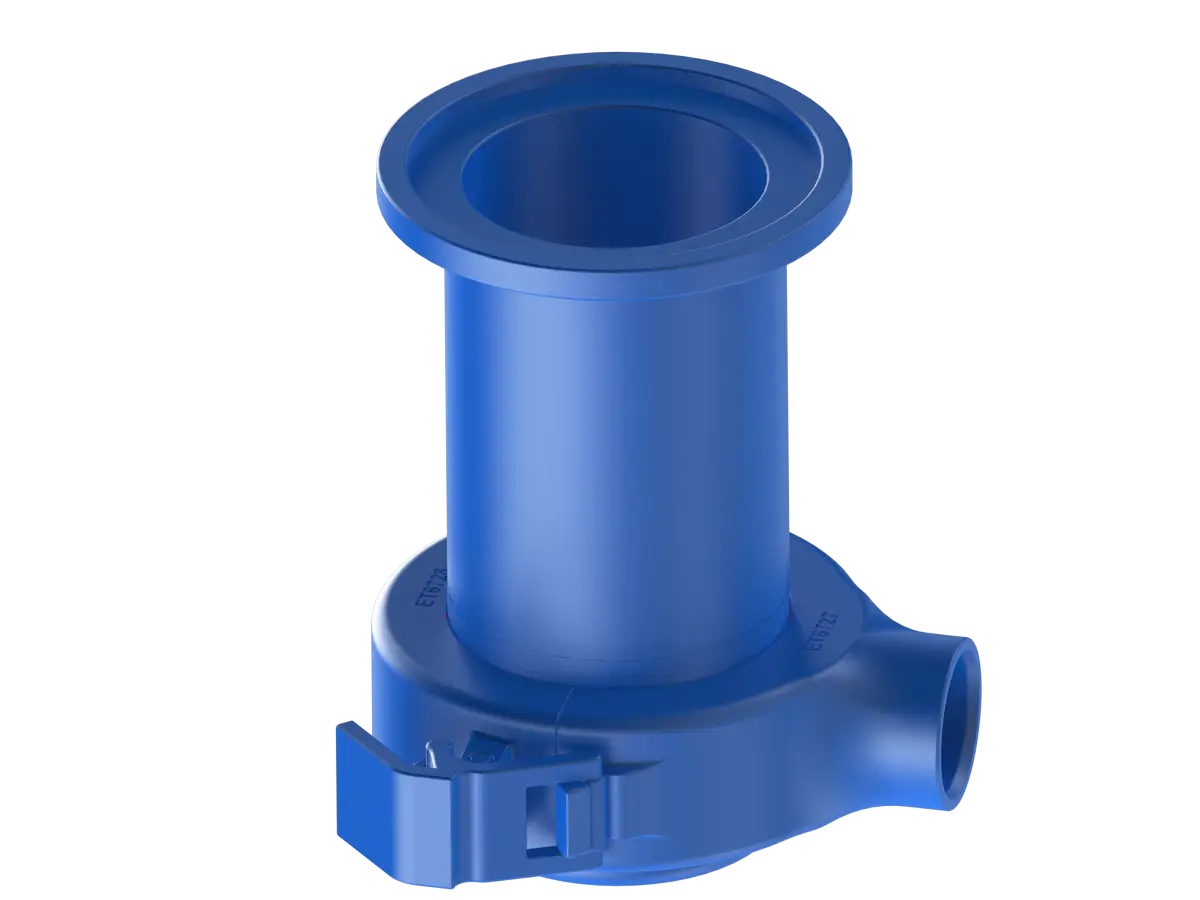
- System parts for machines and special-purpose machinery
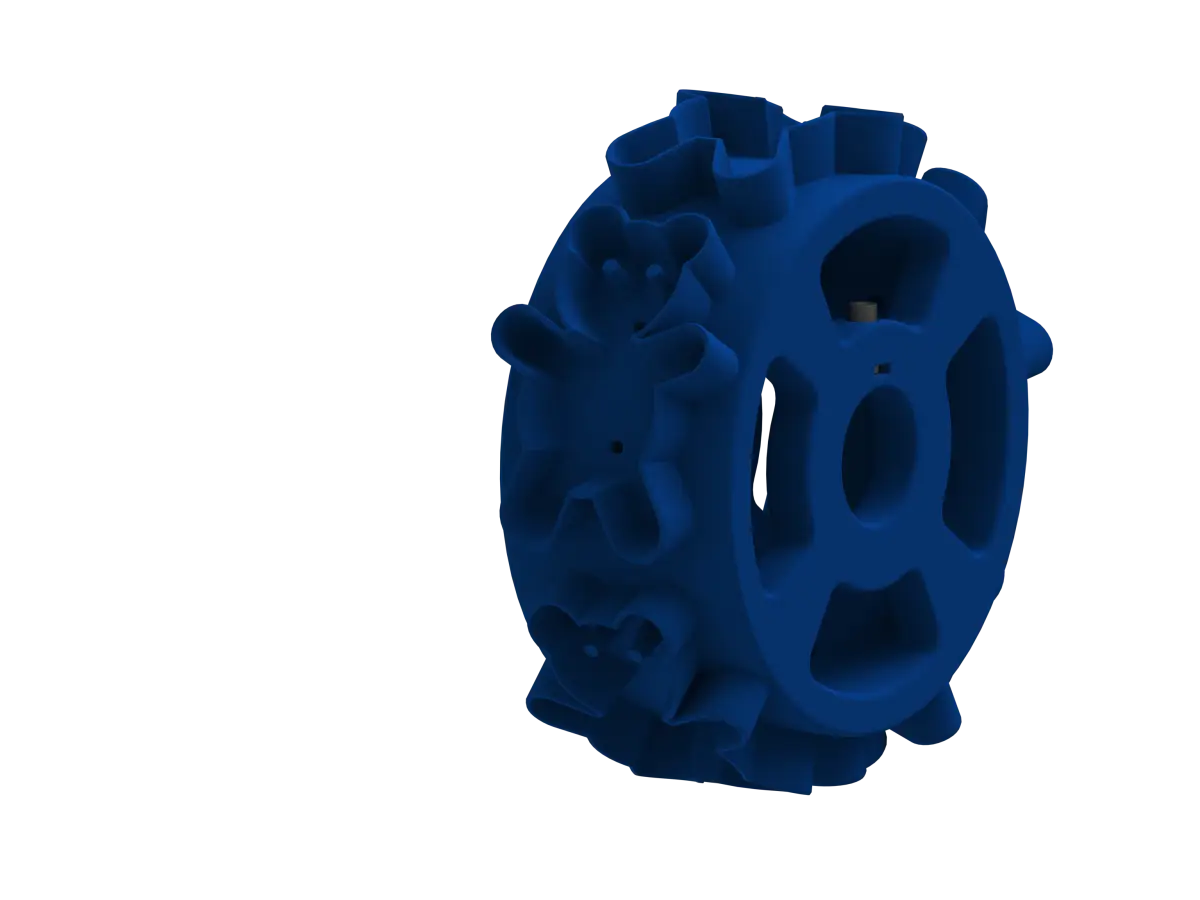
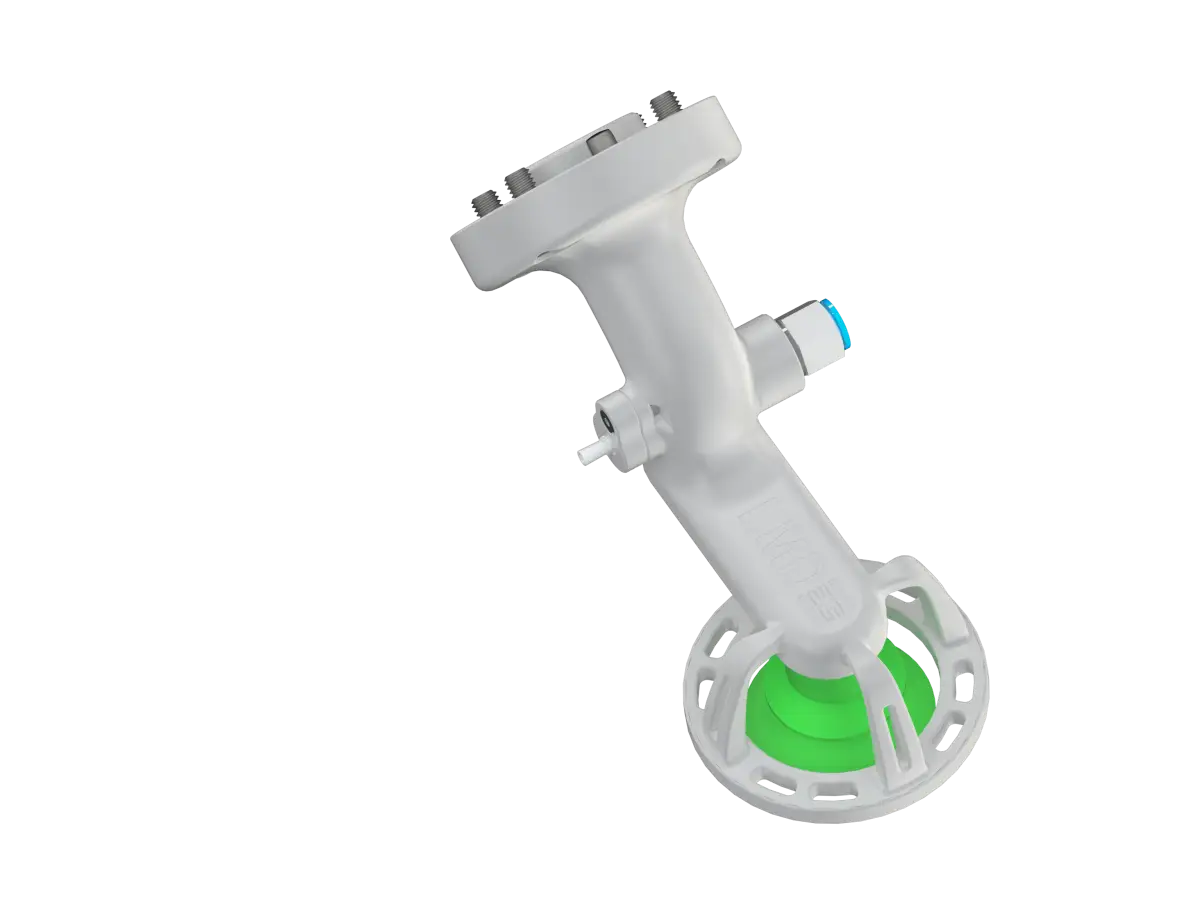
- Contour and area suction grippers
- Clamping systems
- Mould trays
- Fixtures
- Housings
- Firmware
- Software
- Electronics prototypes & small series
1.0
The key component is created in the mind.
An extension of your design office.
Design engineering facts
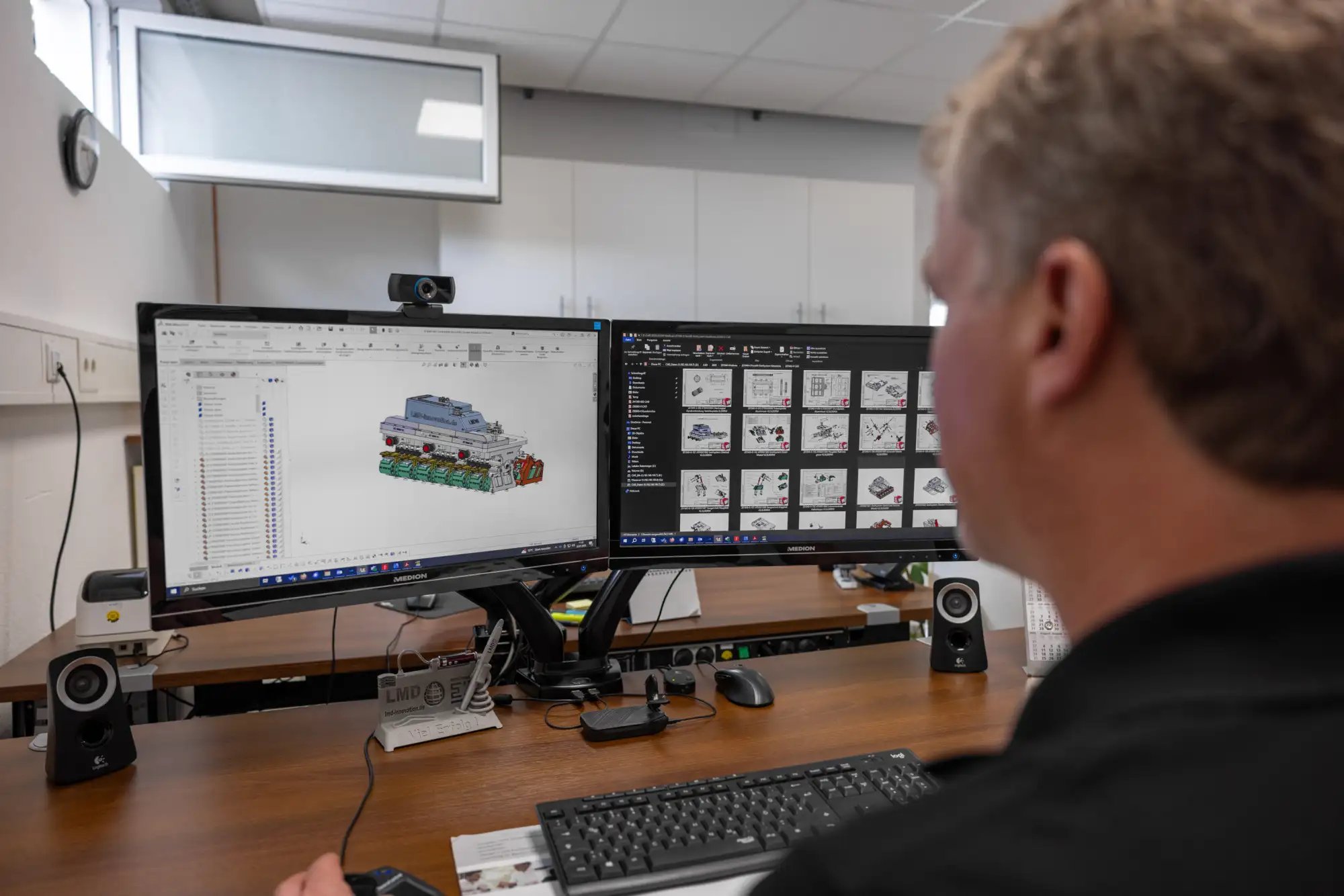
- Design with SolidWorks as a powerful CAD basis for precise, practical developments
- Provision of all project-related CAD data for further use and adaptation in other applications and independence from suppliers
- Integration of 3D scanning and freeform modelling for complex and organic geometries
- Short development times of typically 4–8 weeks depending on project scope
- Direct communication with the design engineer for quick coordination and clear decisions
- Transparent documentation of the entire development process
- Regular coordination and sharing of interim results for reliable project management
- Creation of test prototypes for early validation of function and concept
- Access to proven quick-change interfaces for reduced changeover times
- Integration of electronics, sensors and control technology into the design
- Use of customer-specific standard and bought-in parts for easy integration
1.1
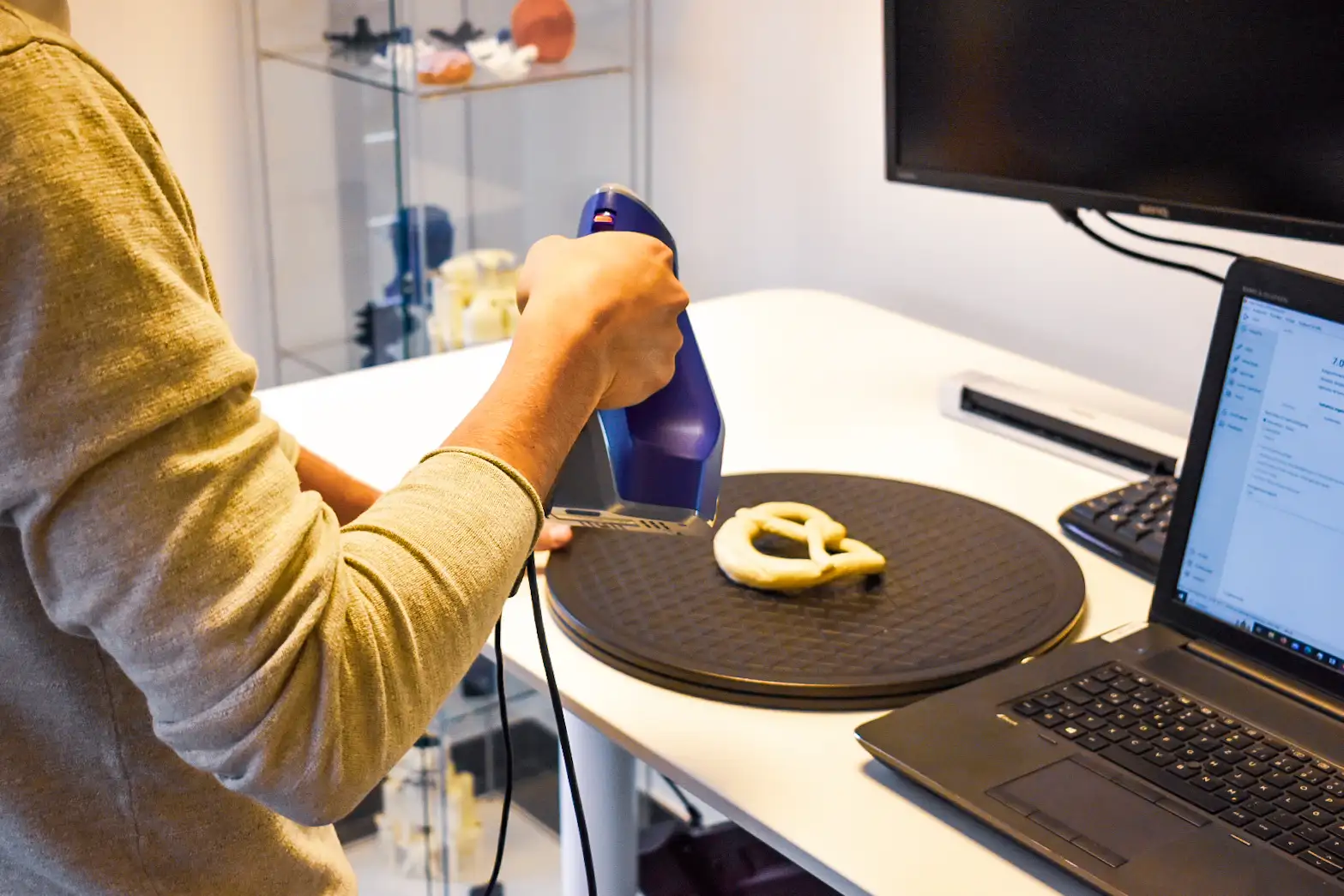
LMD 3D scanning: fast results.
We are also happy to digitise large and small components and workpieces on site at your premises.
Your benefits
- Exact as-built data as a basis for design and further development
High-precision capture of real components – even complex and organic geometries - Fast on-site digitisation of components
Scanning of small to large components without costly dismantling or downtime - Significant time and cost savings
Less measuring effort and no time-consuming reverse design - Fast reproduction and spare parts availability
Digital data enables components and spare parts to be produced at short notice - Direct use in 3D printing
Scanned data can be used directly for additive manufacturing - Basis for reverse engineering
Analysis and further development of existing components and systems - More efficient development processes
Reliable data for precise design and dependable implementation
1.2
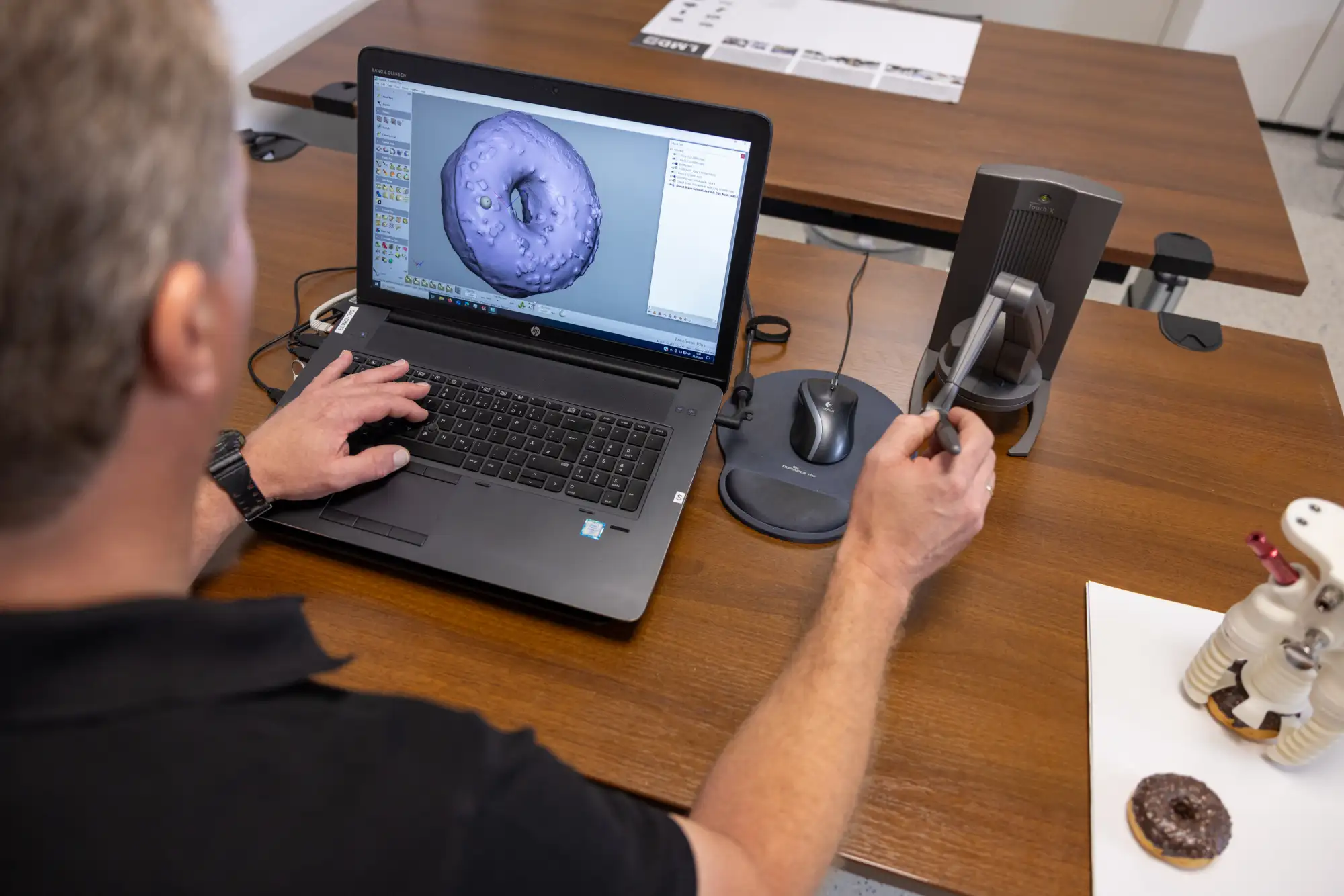
Mastering challenges with Freeform.
The most comprehensive organic 3D engineering tool.
Your benefits
- Fast, intuitive modelling of complex geometries
Freeform modelling enables components to be developed without conventional design constraints - Optimisation of existing components through targeted deformation
Geometries can be functionally adapted and tailored directly to the application - Efficient processing of scan data
Preparation, cleaning and refinement of 3D scans as a basis for design and manufacturing - Creation of organic and function-optimised structures
Production of complex, lightweight and load-optimised components - Integration of structures and ribbing
Targeted reinforcement and function integration directly in the component - Reduced data volumes and direct work in STL
Fast processing of large data sets without time-consuming redesign - Conversion of freeform surfaces into technical CAD geometries
Combining freeform design with conventional design engineering - Precise modelling through haptic input
Editing geometries via touch-based systems for maximum control - Realistic visualisation
Renderings to assess design and function at an early stage