
6-cup vacuum gripper for the food industry.
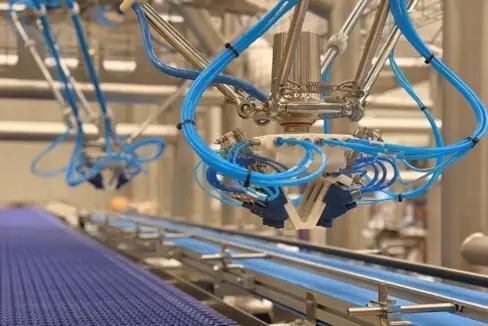
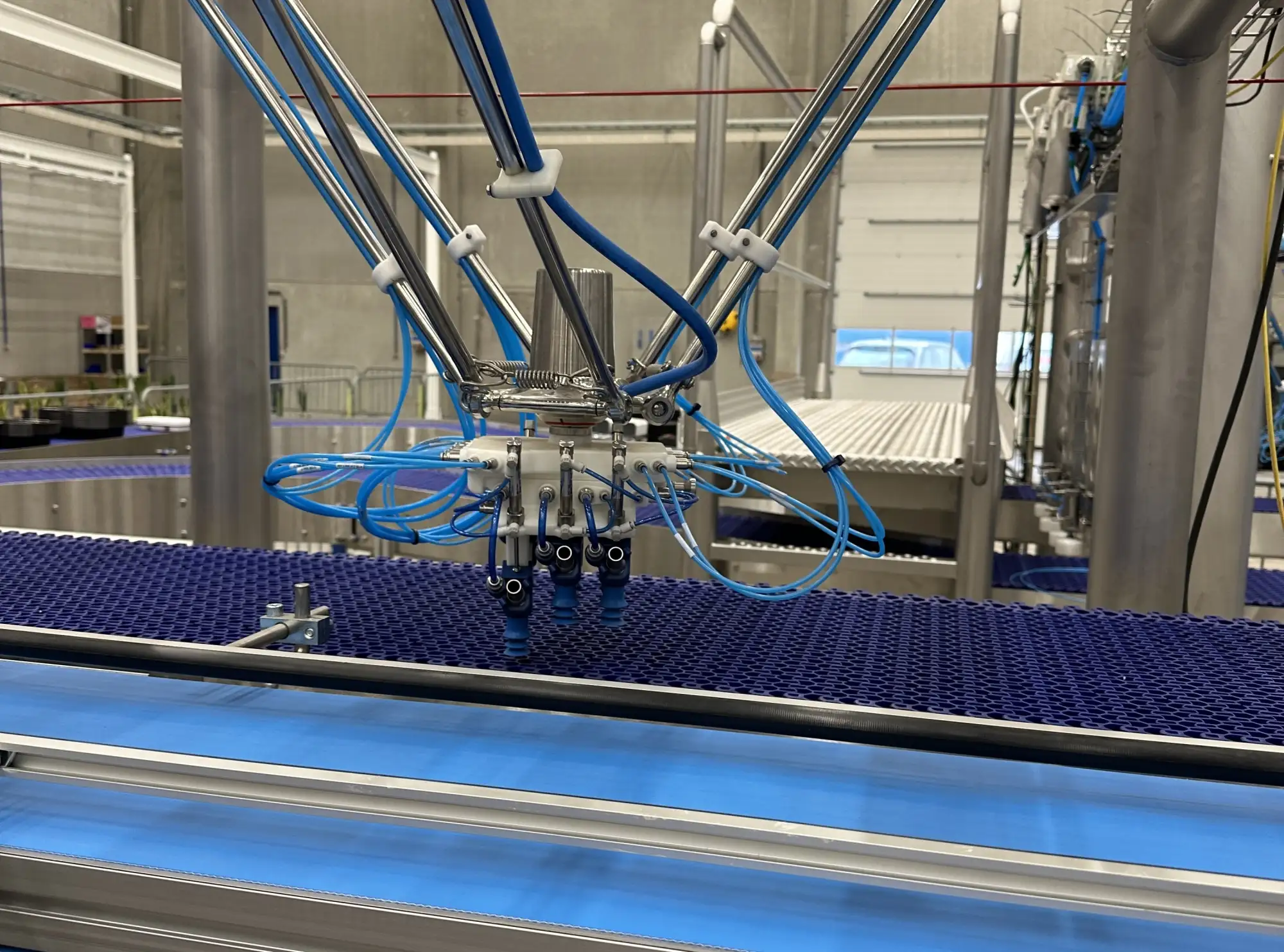
For an automated handling task in the food industry, a 6-cup vacuum gripper was developed and implemented together with SMO Machinebouw.
The aim was to grip sensitive meat products in many variants safely, hygienically and with stable processes. In addition to the high product variance, the required cycle rate was a key challenge.
Besides the design of the gripper, the suitability of the additively manufactured components for direct food contact played a decisive role.
It became clear that raw material conformity alone is not sufficient. Geometry, surface finish and post-processing must be considered and assessed as a whole. As testing every single component is not economically feasible in practice, LMD works with validated reference plates and clearly defined, documented processes.
The result is a function-integrated, hygienically designed gripper solution that has proven reliable in continuous industrial operation and makes targeted use of the potential of additive manufacturing in the food sector.
Conclusion
Additively manufactured components in direct food contact are not a grey area, but an established industrial solution.
Through clear processes, validated test methods and sound application knowledge, we create transparency, increase process reliability and expand the possible uses of SLS components in the food sector in a targeted and responsible way.
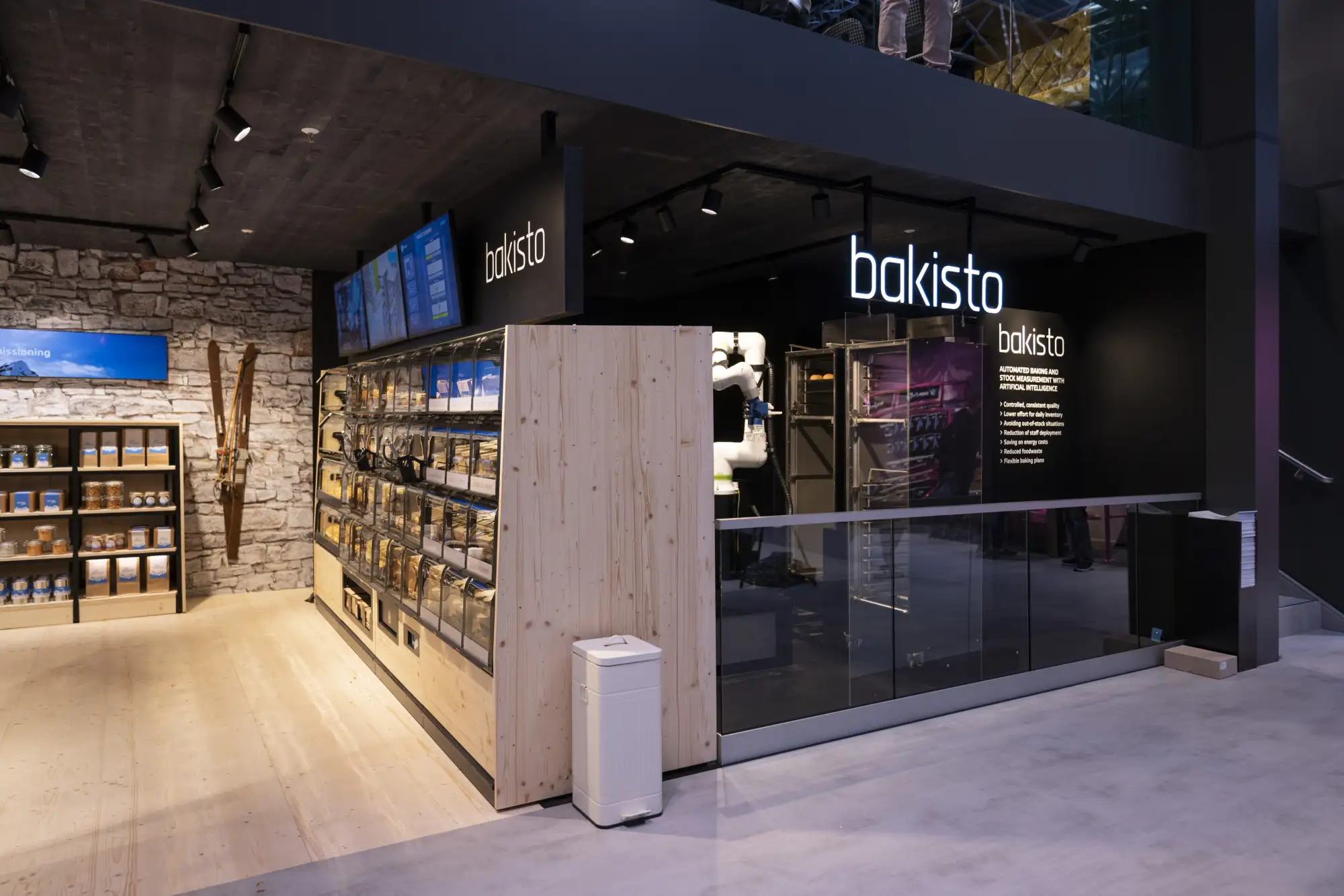
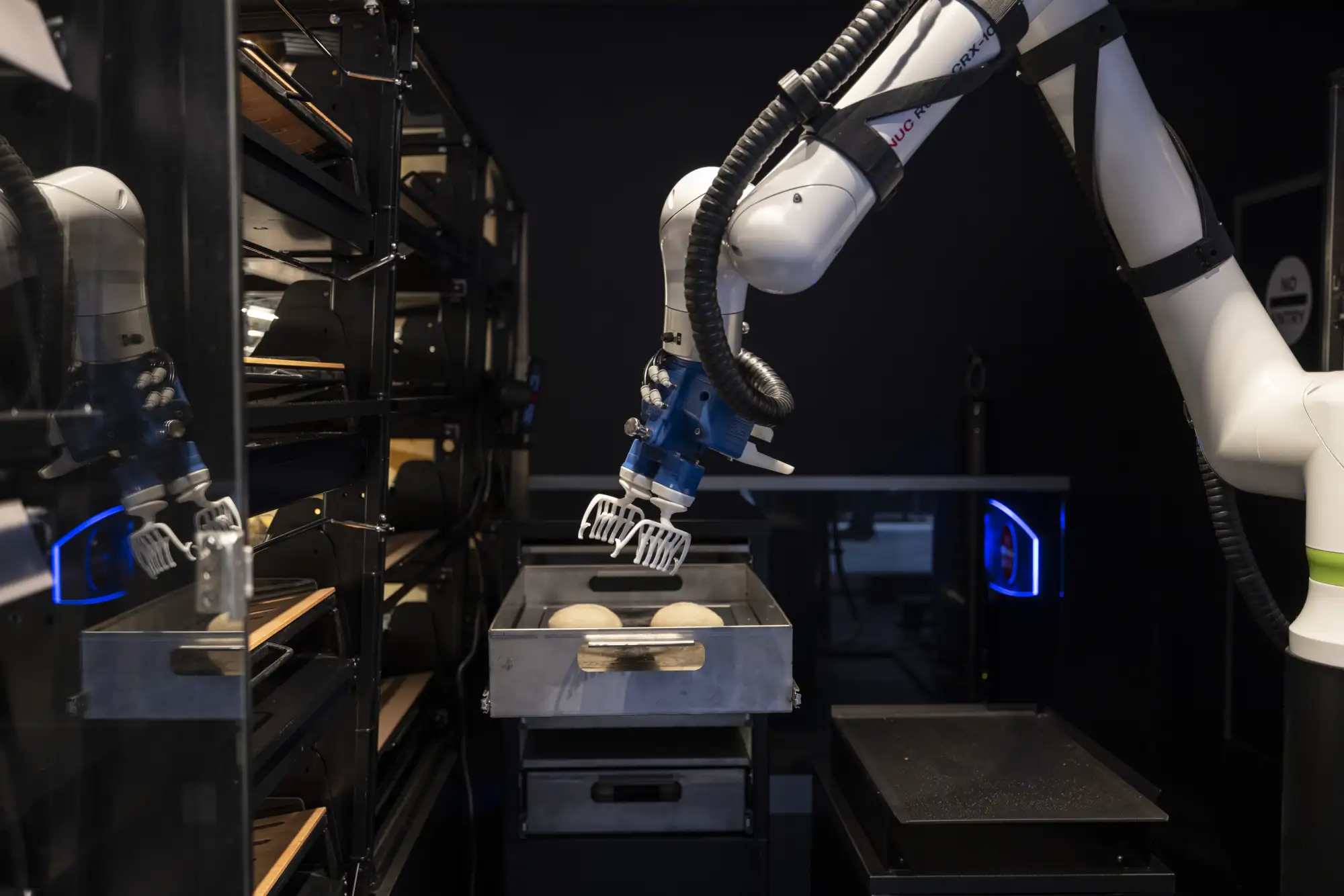
Bakisto – automated baking with intelligent gripper technology.
Further information & reports:
- Automated baking at the POS with a 3D-printed gripper
- Robots in the bakery
- bakisto revolutionises baking
In food retail, in-store bakeries are under increasing pressure: rising energy costs, staff shortages and, at the same time, the demand for freshly baked goods available at all times.
In the Bakisto project, a fully automated baking process was implemented together with Wanzl, FANUC and WIESHEU – from loading and baking to presenting the goods at the point of sale.
LMD’s gripper solution plays a central role in this.
The challenge
Conventional grippers quickly reach their limits in this application.
They are often made of stainless steel, are correspondingly heavy and limit the robot’s dynamics. In addition, external hoses and components create interfering contours, make cleaning more difficult and increase maintenance effort.
At the same time, delicate baked goods such as croissants or dough pieces must be handled safely, reproducibly and hygienically.
The solution: an additively manufactured lightweight gripper
Additive manufacturing made it possible to realise a completely new gripper architecture.
The structure is based on PA2201, complemented by flexible TPU elements for gentle handling. Pneumatic functions were integrated directly into the component structure, eliminating external hoses.
The result is a compact, function-integrated gripper designed specifically for the requirements of food processing.
Technical benefits
Additive manufacturing enables a combination of properties that can hardly be achieved conventionally.
The gripper is significantly lighter, which reduces the inertia of the system and allows higher dynamics.
At the same time, function integration means fewer interfaces, lower susceptibility to faults and simplified maintenance.
The closed, optimised geometry also supports hygienic design.
Result in the process
Combined with AI-supported planning and robotics, the result is a seamless, automated baking process.
Baked goods are prepared as needed, baked and transferred directly to the sales area.
Manual intervention is reduced to a minimum, while quality and availability remain consistently high.
Conclusion
The Bakisto gripper shows how additive manufacturing can be used specifically to rethink functional key components for the food industry.
Lightweight design, function integration and hygienic design enable not only better components – but more efficient, more stable and more economical processes.
Stacking gripper for industrial applications.
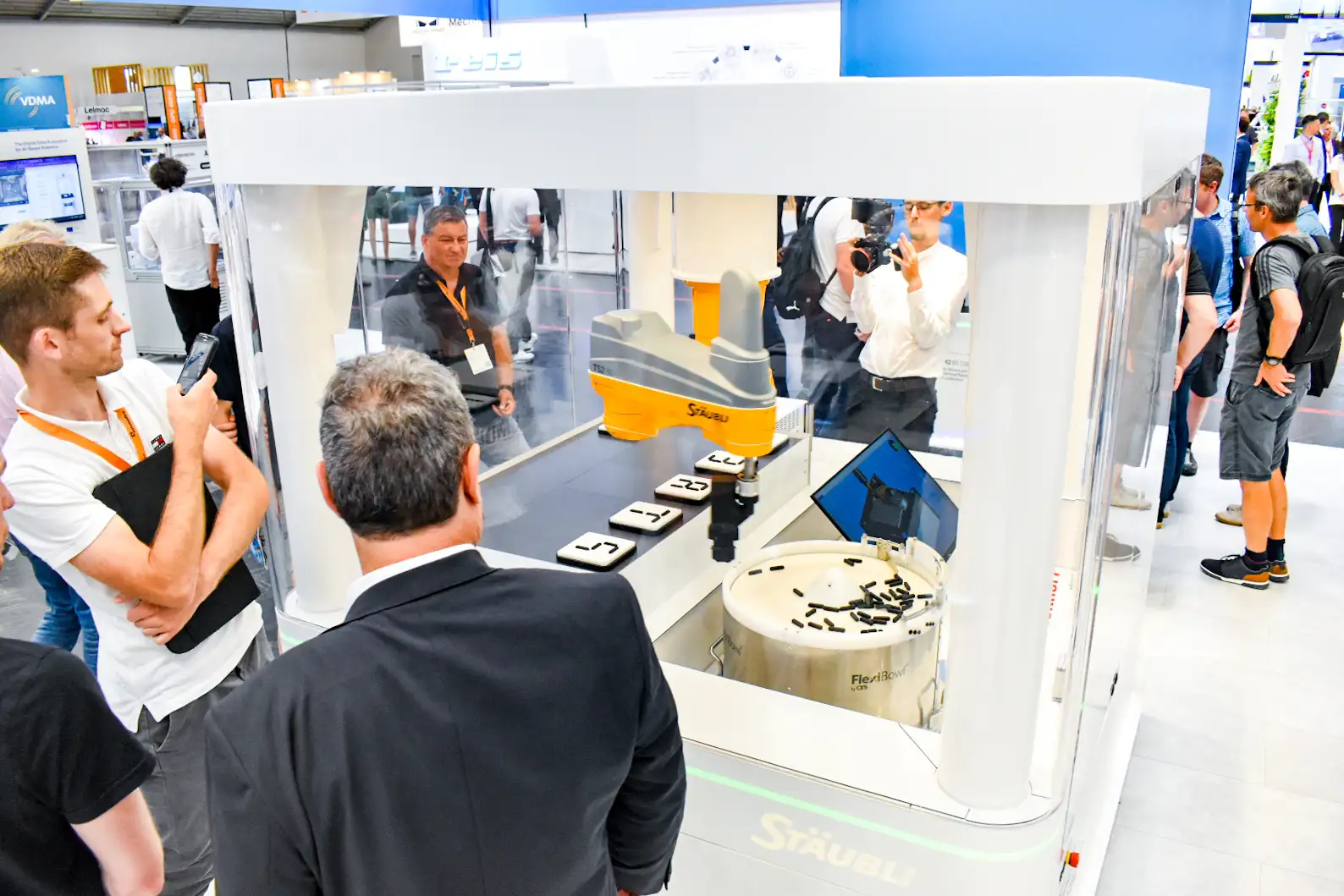
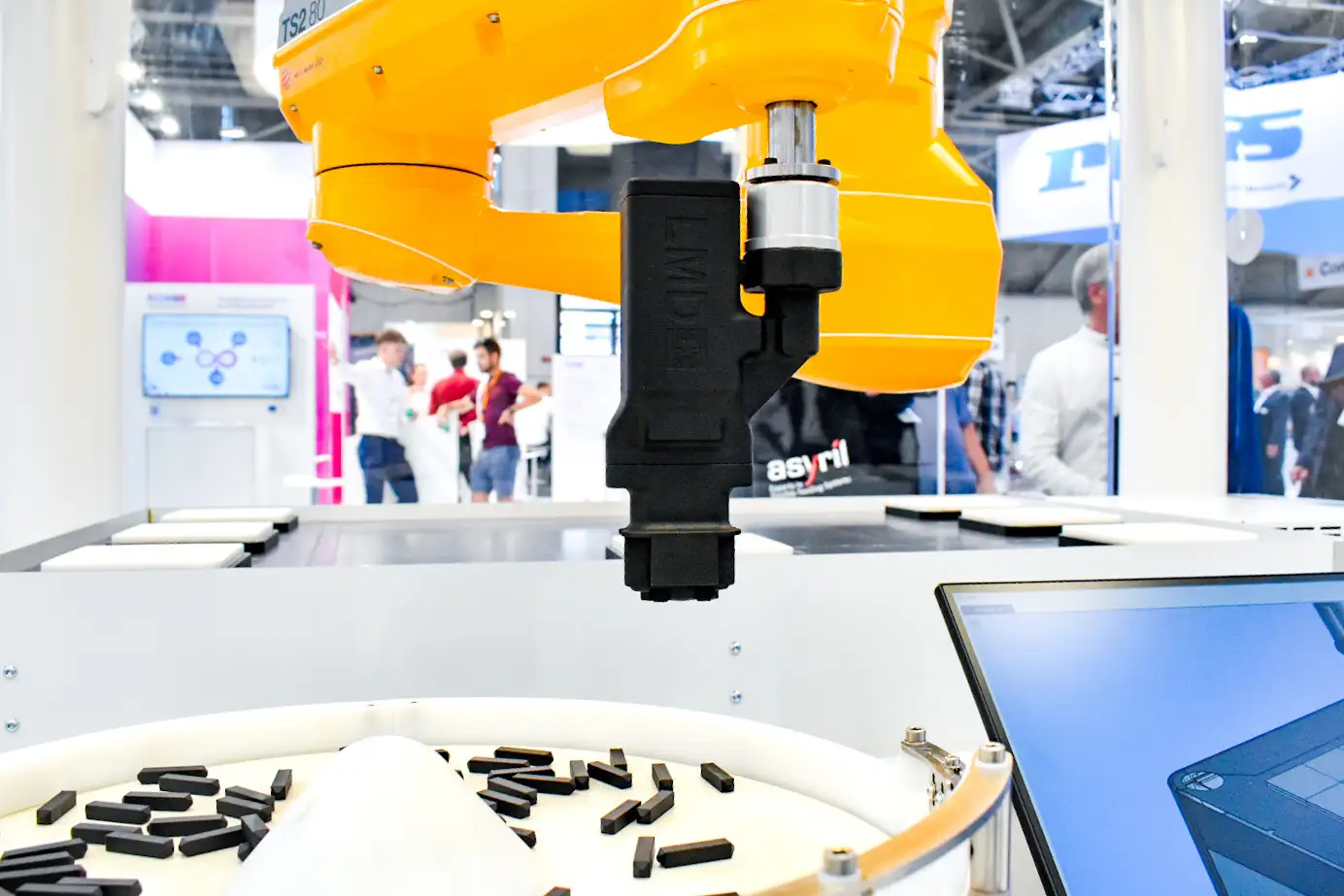
For an automated handling task, a stacking gripper was developed that reliably separates, stacks and destacks products.
The challenge lay in safely handling varying geometries at high cycle rates. At the same time, the gripper had to be integrated reliably into existing automation concepts.
The solution: gripper with integrated magazine
Using additive manufacturing, a gripper with an integrated stacking function was realised. Products are picked up and buffered directly on the gripper, so that several parts can be moved in one cycle.
This considerably reduces the number of robot movements required.
Technical benefits
The integrated magazine structure enables a significant increase in process efficiency.
Several components are transported in one operation, reducing travel distances and shortening cycle times.
At the same time, the function-integrated design means fewer components, lower inertia and high process stability.
The geometry is precisely tailored to the component and application.
Result in the process
Stacking directly on the gripper optimises robot movement and reduces the number of individual cycles.
This leads to higher system output with more stable processes at the same time.
Conclusion
The stacking gripper shows how additive manufacturing can make not just components but entire motion strategies more efficient. Shorter travel paths, higher cycle rates and reduced system complexity deliver measurable benefits in industrial automation.
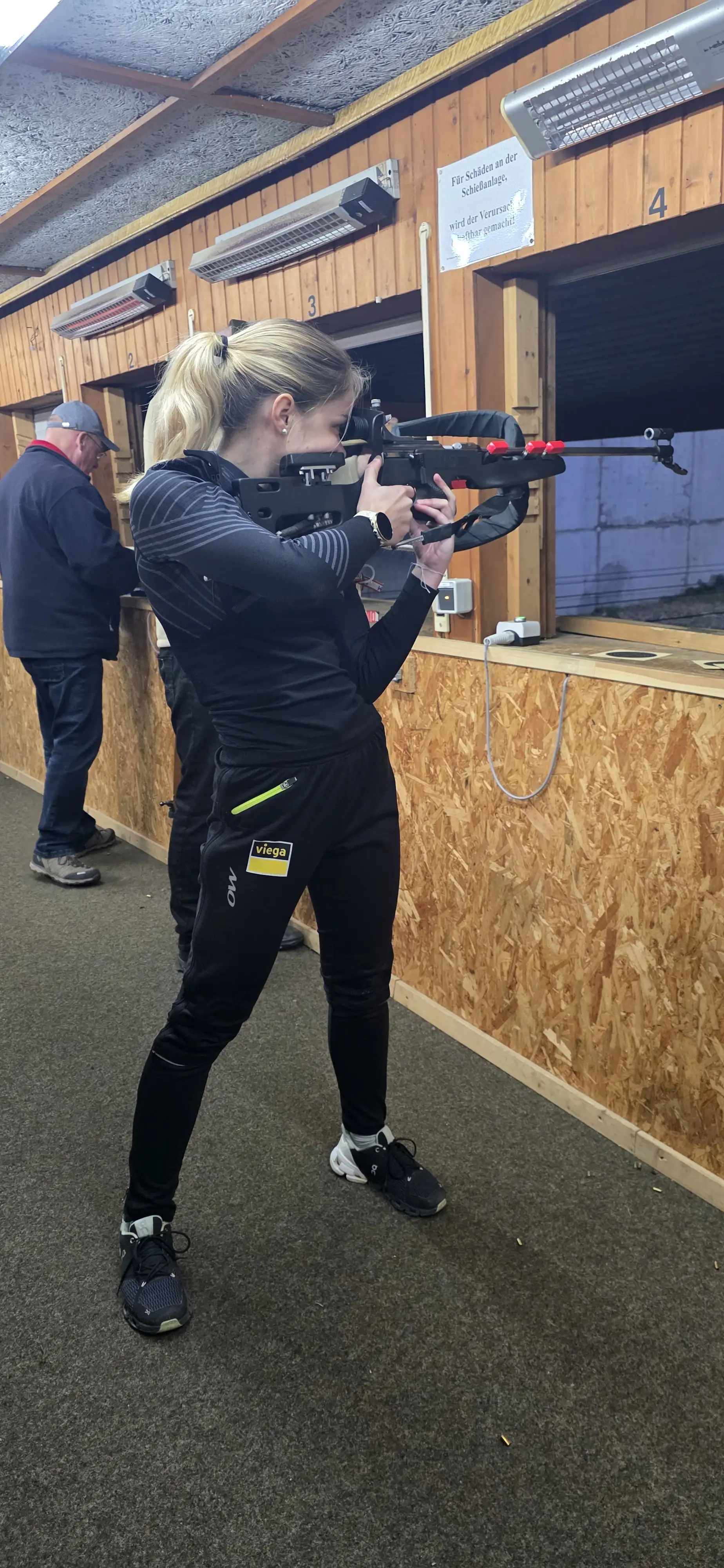
Customisable biathlon rifle stock.
Initial situation
In biathlon, many athletes still rely on classic wooden stocks. These impress with their feel and individual fit, but are made by elaborate handcraft and can only be reproduced to a limited extent.
Athlete Jana Fiedler faced a new challenge: her previous stock had to be returned to the federation, so an alternative was needed. At the same time, this offered the chance to break new ground and use the possibilities of additive manufacturing.
The challenge
Classic stocks are individually adjusted over many hours of work. Changes or reproductions are time-consuming and difficult to scale.
The aim was therefore first to reproduce an existing stock as precisely as possible in order to create a basis for comparison, and then to make targeted use of the potential of additive manufacturing.
The solution: digitalisation and additive manufacturing
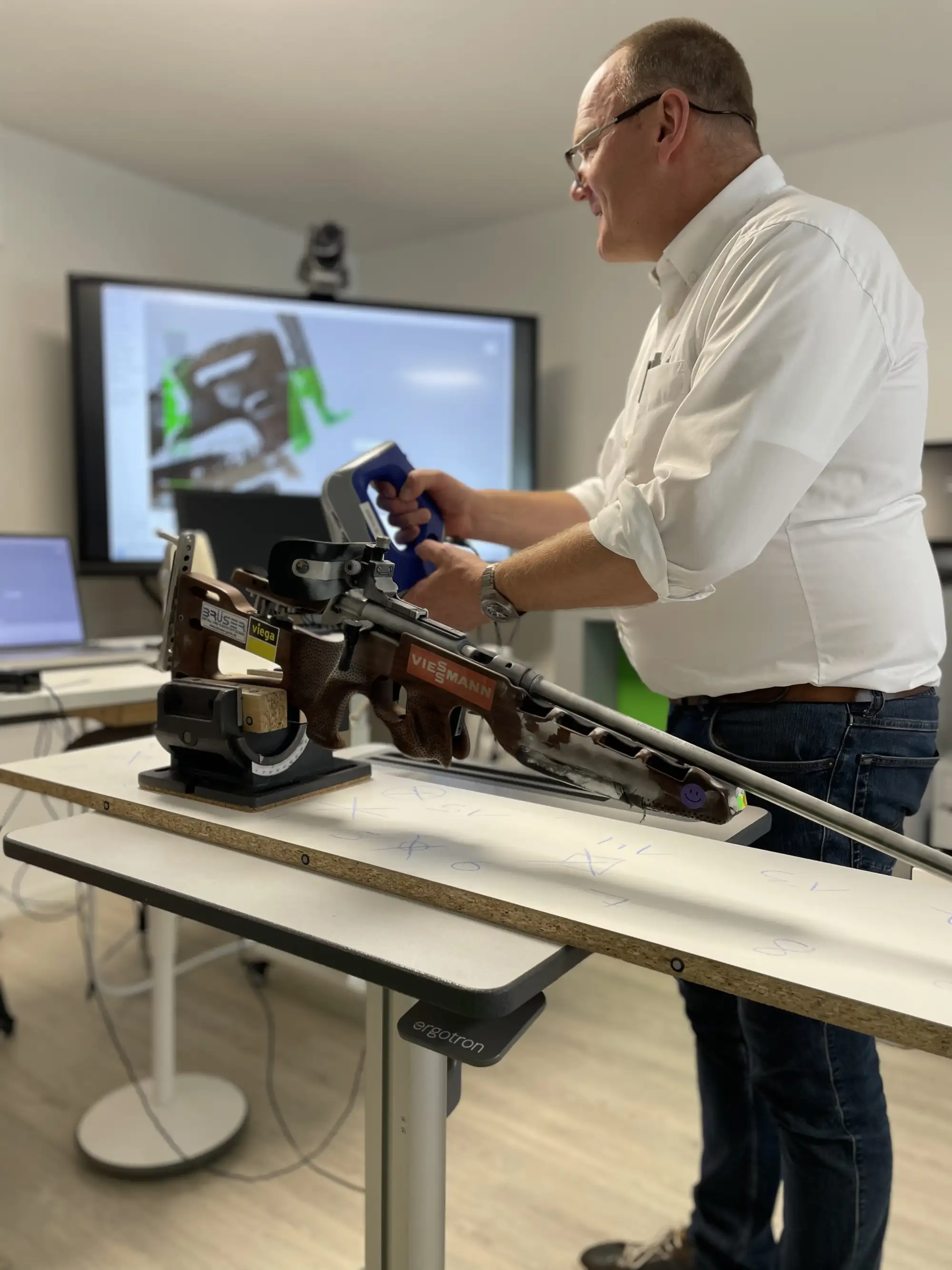
In a first step, the existing stock was digitised by 3D scan together with Antonius Köster and used as the basis for the design.
The stock was then additively manufactured and specifically supplemented with functional elements such as integrated threaded inserts and magnetic solutions. The result is an almost identical reproduction with only minimal differences in weight.
The next step: added value through additive manufacturing
Building on the successful reproduction, the next stage is further development:
The geometry is specifically adapted to allow individual ergonomics.
Integrated hollow structures allow the weight distribution to be optimised and tailored to the athlete.
In addition, functional surface textures are integrated to improve grip and handling.
The use of flexible TPU elements is also planned to integrate targeted damping properties into the stock.
Conclusion
The project shows how additive manufacturing does not replace classic products, but develops them further in a targeted way.
The combination of digitalisation, design engineering and additive manufacturing creates a solution that is reproducible while enabling new degrees of freedom in function, ergonomics and performance.
A joint development project that shows the potential of new ways of thinking.